Author: James Glazebrook

  • Help make Berlin’s first alternative comedy stage a thing!

    Category:

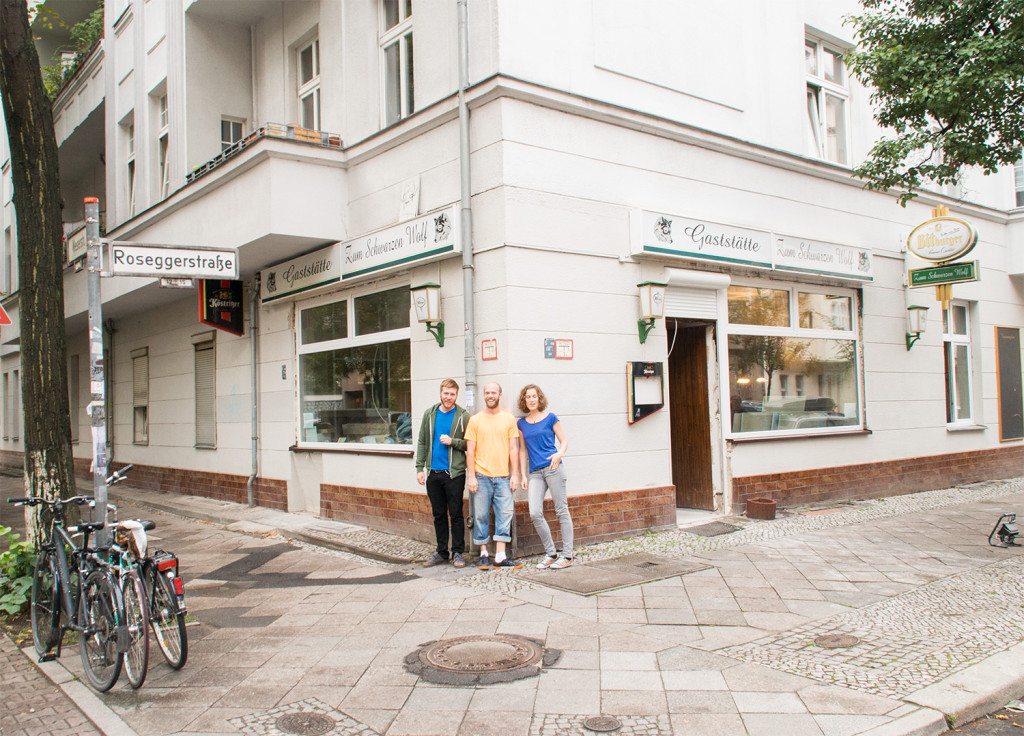
    Comedy Café Berlin - before

    This is exciting! One of the brothers behind the hilarious piffle! podcast is currently turning this old Kneipe into Berlin’s first alternative comedy stage, the unimaginatively-titled Comedy Café Berlin (way to improv, guys). It’s going to be located in the heart of hipster central, on Neukölln’s Weserstraße, and will feature a café and bar alongside a theatre to showcase the stars of Berlin’s up-and-coming international comedy scene. As well as live standup, sketch and improv, this new institution for comedy will host workshops and courses for anyone who wants to polish up their funning skills.

    With construction already under way, the team are raising money to pay for important stuff like soundproofing. To help secure the future of this promising project, check out the Comedy Café Berlin Kickstarter, where rewards include the chance to get your name on the Wall of Fame, one of the theatre’s 60 seats, a menu item, or even its toilets (“Name of Thrones”!). When you’re giggling it up in Berlin’s most awesome new nightspot, you can thank your past self for being so generous and, let’s face it, smart. DO IT.

  • Doggystyle: Dicki and Gina

    Category:

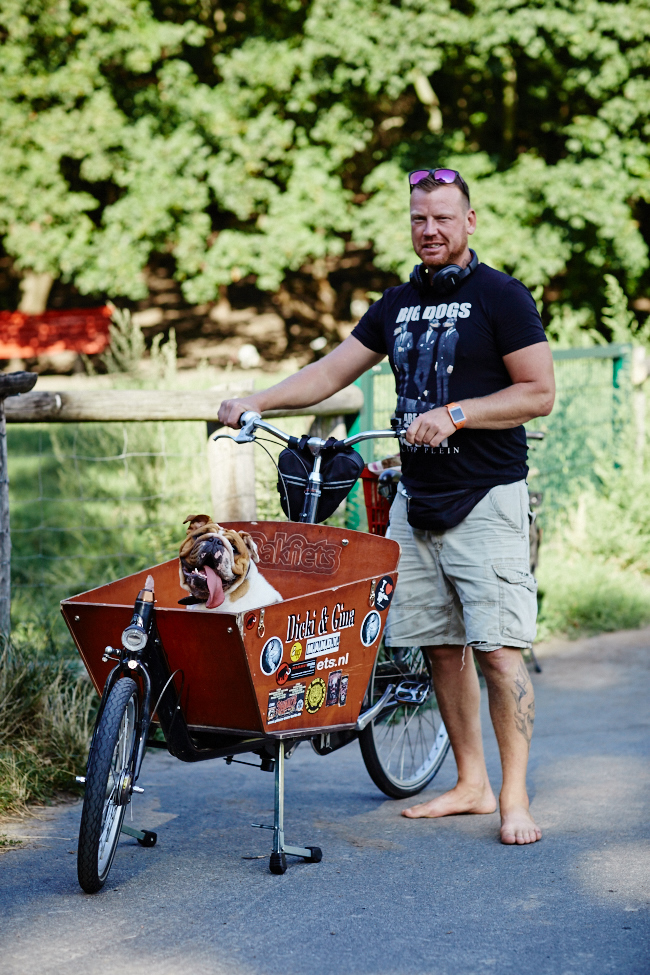
    Doggystyle Portrait in Berlin, Germany on August 29, 2015. Photo: Zoë Noble

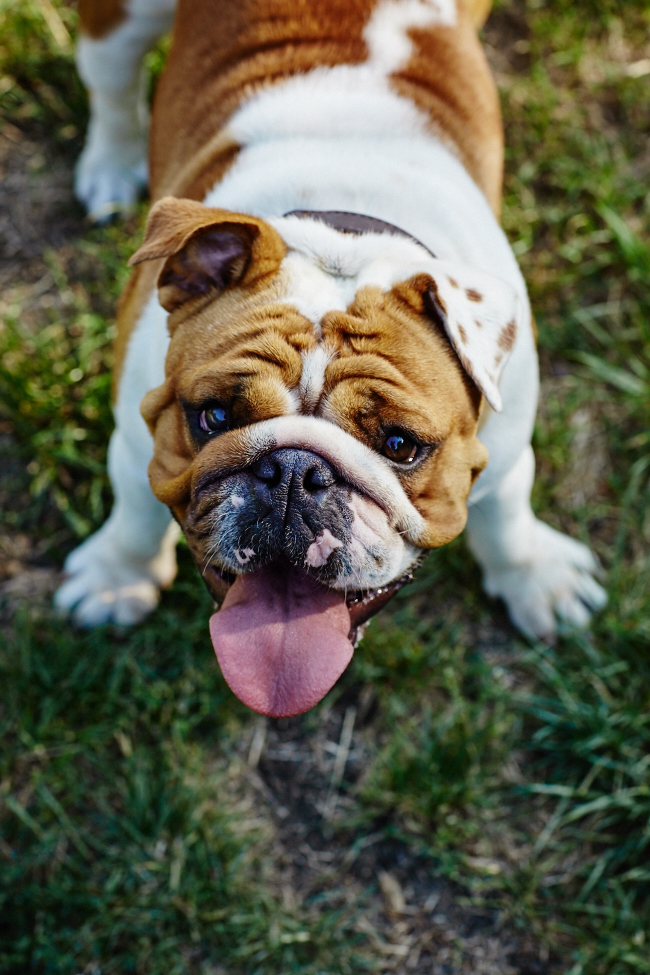
    “Gina is an English Bulldog, and she’s one year and five months old.

    She’s really cool, but she can’t walk very far – so I built her this bike.”

    Doggystyle Portrait in Berlin, Germany on August 29, 2015. Photo: Zoë Noble


  • On blogging: The great "viral content" swindle

    Category:

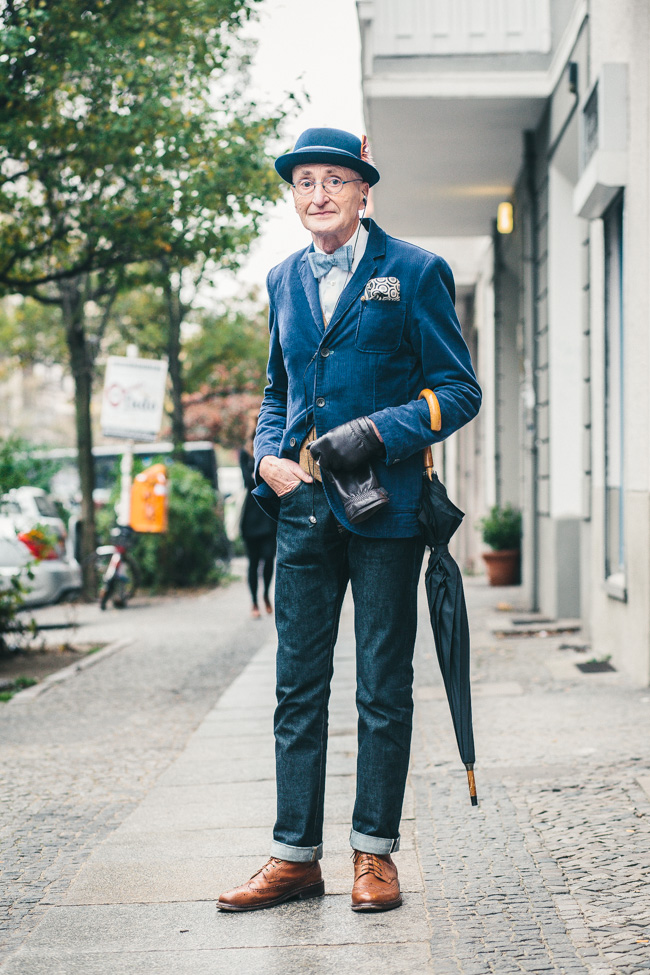
    Günther Krabbenhöft street style original photo

    You may have seen this dashing fellow on the Internet recently. You might have even seen these photos. If you did, the site you were looking at stole Zoë’s photos, published them without her consent, and used them to generate traffic and, most likely, revenue.  

    It all started when So Bad So Good shared some photos to their Facebook page, of the alleged 104-year-old, posing on the platform for the U1 at Kotti. It isn’t clear where they got those images from, as they didn’t include any kind of credit. But we do know that the man pictured, Günther Krabbenhöft – represented by “agents for unique characters”, We Are Unlike You – isn’t 104. More realistic estimates put him at around 70.

    Spotting an opportunity, I commented on the post with a link to our own blog post, a streetstyle shot of Günther walking through Graefekiez. Sure enough, that brought us a lot of clicks – about 40% more traffic than in the previous month – but it also brought the attention of websites that pride themselves on finding and sharing viral content. They refer to it as “sharing”, but we call it what it is: stealing.

    The biggest, and probably the first, of those was Bored Panda (no, we aren’t going to link to them!). We found them via a trackback, a notification that WordPress sends us whenever someone links to one of our posts. Clicking through, we were shocked to see Zoë’s photos being used in a post that (apparently) now has over 180,000 views, 50,000 Facebook Likes, and is surrounded by ads that make money for the site’s owners. Alarmingly, there’s an “Add post” button that allows anyone to create their own article, with terms of use that place the responsibility for copyright compliance on the “author”.
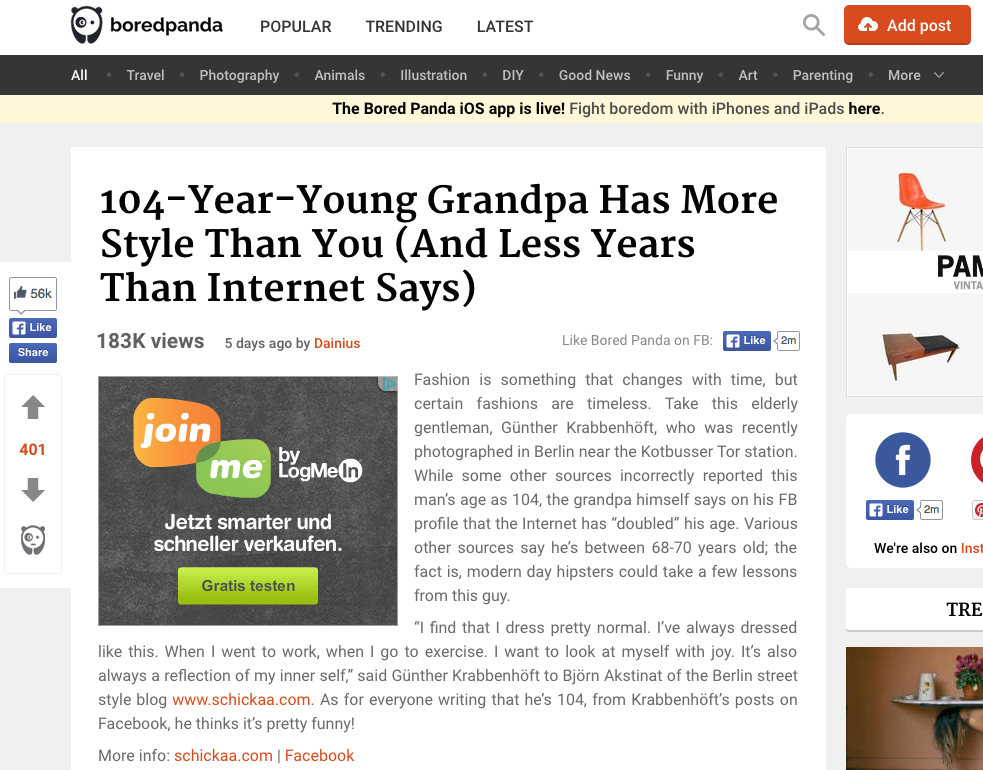
    The offending article on Bored Panda

    Bored Panda set the tone for all the other articles we were able to find through trackbacks and Google reverse image search (which we learned about from @eljojo – thanks!) Have a look here – each of those thumbnails leads to at least one article that has used that image in those dimensions. That’s just one of our three images of Günther, and it doesn’t included photos edited beyond recognition by Google’s bots.

    Most of the articles we found included the 104, many with that weird get-out that “the Internet” is getting its facts wrong, and all featured images alongside ours from sources who presumably weren’t contacted for permission either. A lot of them completely ripped off the “original” Bored Panda article. But, as it’s not their content anyway, why should they care?

    When we contacted Bored Panda, we received an email from the article’s author saying that they’d decided to remove the images. The fact that they responded so quickly, to an email sent via a form that actually has a field for “removal request”, leads us to believe that they subscribe to the school of thought that one should “ask for forgiveness, not permission”.

    Günther Krabbenhöft close up

    Bored Panda were only closing the barn door after the horse had bolted. By the time our images were taken down from that site, they were all over the “viral” Internet. It takes just one website to turn stolen content into fair game, and other sites are happy to rip off photos, as long as they include the name of the source, and a link to it. Those second-tier sites are legion, and rarely have contact details through which to demand a removal.

    A couple of bigger websites approached us for our permission (denied), and, when pushed, a national British newspaper offered an insubstantial amount of money. Given the circumstances, we were almost flattered that people had thought to ask us, but Zoë can’t pay her rent with “credits”, and we can’t build an audience on the clicks of curious people wanting to ogle an apparently ancient “hipster”. Our uptick in traffic came primarily from my comment on So Bad So Good’s Facebook post, and those people won’t be back. If we were playing the same “viral” game as these websites, those clicks would translate into money. But we aren’t – we’re focussed on creating original content.

    And that’s the most depressing part of all of this: watching the Internet cannibalise itself. As soon as one online entity had a “hit” with the Günther photos, everyone else had to have them. Major newspapers and best-selling magazines aren’t above this – everyone wants the hot new thing to post, in the hopes that their improved Google rank will inch their audience, and profits, up ever so slightly. This “viral” layer of the web relies on content creators like us to thrive, but we won’t be able to create the content it needs if we can’t make a living. It’s pretty disgusting to see this up close.

    So where does that put us? We’ve been advised that we are in a position to demand our content’s removal from all these websites, and to even invoice them for the revenue they likely generated from it. But how do you contact a site that doesn’t feature so much as an email address, and what are your chances of getting a response, let alone compensation? Right now, we’re focused on INTERVIEW.de, who aren’t responsive despite me taking to Twitter and Facebook to complain (sound familiar?) We think they’re taking Andy Warhol’s art of appropriation a little too far…

    Let’s be clear: we love it when you share our content. When you tweet one of our photos and @-mention us, you could bring us followers; when you link to our website, we may gain readers. Sharing the photo without a credit isn’t exactly in the spirit of Twitter, but at least you wouldn’t be making money from our creative work. To all our genuine fans, thank you for sharing!

    And to all the people out there creating unique content, keep up the good work. Take solace in the fact that this is one of the few cases of plagiarism we’ve (knowingly) experienced, and it can be traced back to us “putting ourselves out there”. Let us know if you ever encounter anything like this, and we’ll be happy to share our learnings and give you some support. Together, we’ll kick some web ass!

    Günther's kick-ass shoes

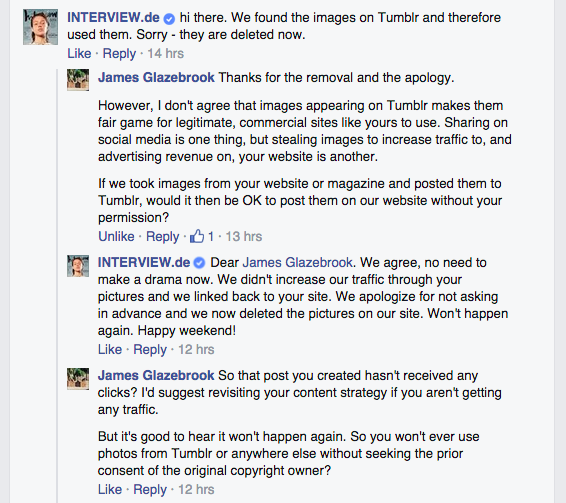
    EDIT: INTERVIEW.de have since responded to my Facebook post and taken down the photos. However, I still take exception to them using the photos in the first place. Here’s how that conversation is developing…
  • On Expat Entitlement

    Category:

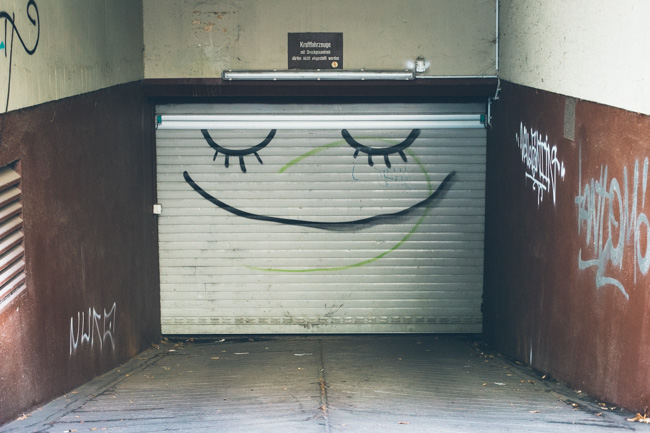
    smug face garage door

    This was going to be a post about how shitty customer service is in Germany. We’ve all heard about, or experienced, things like: surly bar service, valuable deliveries that dropped off the grid without a trace, unanswered emails, ignored tweets, blah blah blah…

    …it all started, as it so often does, with an undelivered package. The bourgeois tosspots that we are, we subscribe to a certain service that delivers recipes and their ingredients to your door – at least, that’s how it’s supposed to work. This time, they promised to deliver during certain hours, and didn’t. When I emailed their support team, I was told that the delivery had been confirmed for a different time slot, and I should have been waiting for it. I asked them to check the confirmation message I’d originally forwarded them for proof to the contrary, and the email chain went dead.

    I gave them a few days before following up via email. Where was my response? Where was my refund? And the answer to the other question I’d asked? Hearing nothing back, I took to Twitter. After a few unanswered tweets, I started to @-mention their UK and US teams (a move I learned from the indomitable @Fauxlie_). Sure enough, the Brits intervened, suggesting I call the German team. In no mood to ease the situation, I sent a shitty tweet asking why I shouldn’t expect to have my problem resolved via the email support channel they do in fact offer. (I’ve since apologised for that – they were just trying to help.)

    And then, after a long, frustrated rant to Zoë, it occurred to me: all of my interactions with this company had been in English. Sure, I apologised at first for my crappy German (auf Deutsch) before asking that we switch to my native language. But I might have been even more annoyed if the response had come back in German. And, despite my natural aversion to actually speaking to people, the real thing stopping me picking up the phone was the knowledge that we’d quickly reach the limits of my second language, and I’d have to suck it up and ask, “können wir Englisch sprechen?

    This is bonkers. If I was in England, and didn’t speak any English, there would be a 0.001% chance that someone would be willing or able to speak to me in my native language. Yet here, in the German capital, I get by perfectly well with not-that-great German skills. I’ve rented an apartment, registered as a resident, got a dog, started a blog and a business, paid my taxes, and yes, even had my groceries delivered – all by subjecting people to my crappy German, persuading or paying people to speak echtes Deutsch on my behalf, or just expecting everything to be done in English.

    This shit doesn’t fly in other places, or in other languages. I work for a company whose customer happiness (oh yes) rating always tops 90%, and we support millions of people all over the world almost entirely in English. I should remember that for a German speaker to be writing or speaking in English, even with the help of Google Translate, they’re going the extra mile. I’m not meeting them halfway, not remotely. If my email or tweet is dropped, it’s probably not because the person the other end is terrible at their job, but because my query is automatically the trickiest one in their queue.  

    But I don’t remember that. We don’t remember that. As visitors to this country, no matter how permanent – hell, as owners of businesses here – we get used to a certain amount of English fluency from everyone we interact with. A couple of years ago we published a guest post that I don’t fully agree with, in response to an Exberliner attack on Melbourne Canteen for having (at the time) menus in English only. While the original article was gratingly holier-than-thou, I find it hard to stand behind our writer’s argument that English is more useful to Germans than German is to English speakers. Presumably, that’s the same stance of another business outed recently as having no Deutsch menus, despite proclaiming themselves to be “100% Neukölln”. It seems that expats’ aversion to German is becoming institutionalised.

    Yes, as Berlin becomes more and more international, with new arrivals sharing English more than any other language, it’s possible to envision a day when our common tongue is the city’s second semi-official language, as Spanish is in California. But for now, we’re in Germany and we should (try to) speak German. Anyone who is willing to switch to English with you should be treated like the angel they are – after all, they are part of the reason why your dumb ass is able to remain here.

    Remember when you moved here, and you were amazed by how perfect everyone’s English is, and how readily they resort to using it? Hold onto that feeling, cherish it. And repeat after me: when someone is using their second language in a country where you should be speaking their mother tongue, they’re incapable of bad customer service. Just by communicating with you on your terms, they’ve already gone the extra mile.

  • Doggystyle: Paco and Damen

    Category:

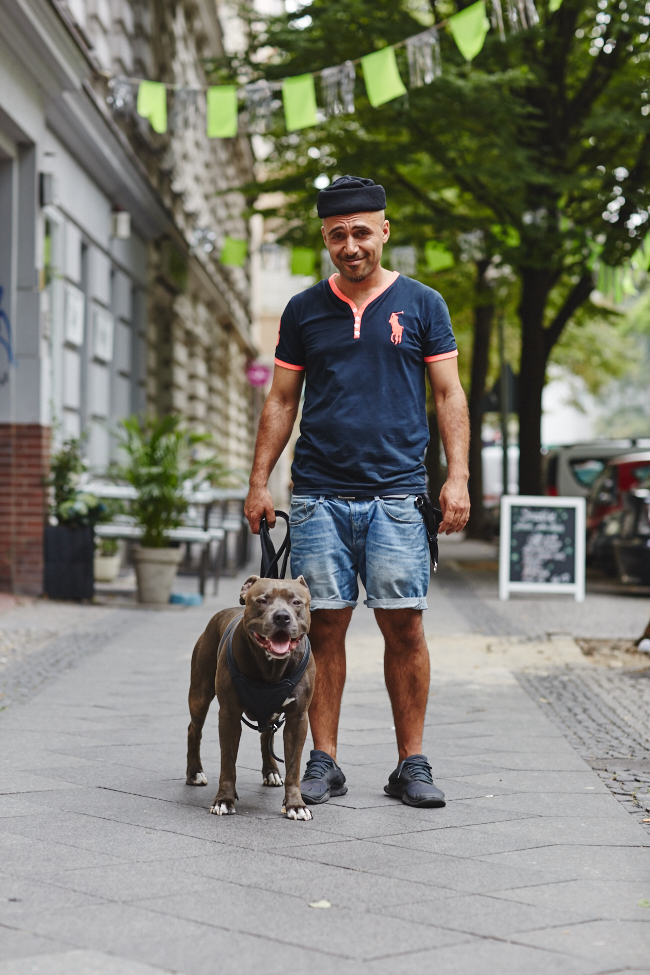
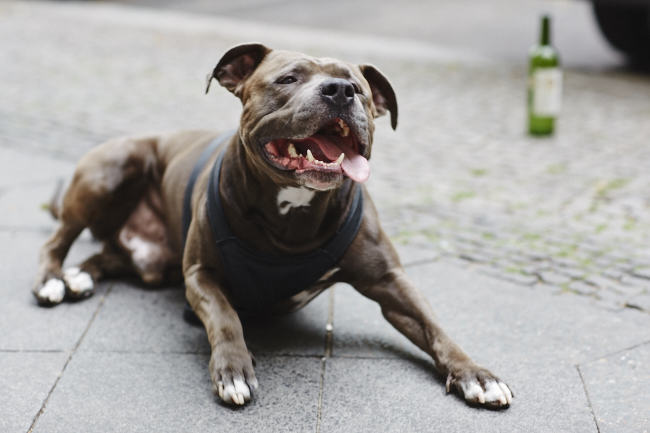
    Doggystyle American Staffordshire Terrier Portrait in Berlin, Germany on August 07, 2015. Photo: Zoë Noble

    “Damen is an Amstaff (American Staffordshire Terrier) and he’s five years old.

    It’s too hot for him in summer, but he’s still happy. He loves to swim.”

    Doggystyle American Staffordshire Terrier Portrait in Berlin, Germany on August 07, 2015. Photo: Zoë Noble